The Wave Has Parts: Why Naming What’s Inside Your Estrangement Pain Actually Matters
There’s a phrase that has come up enough times in my work that I’ve stopped being surprised by it. Women sit down across from me - in sessions, in groups, in the early fragile conversations that happen when someone has finally decided to reach out - and they say some version of the same thing. I just feel terrible all the time and I don’t even know why.
Not why in the sense of not knowing their child has cut off contact. They know that. They know the situation. What they don’t know is the nature of the pain.
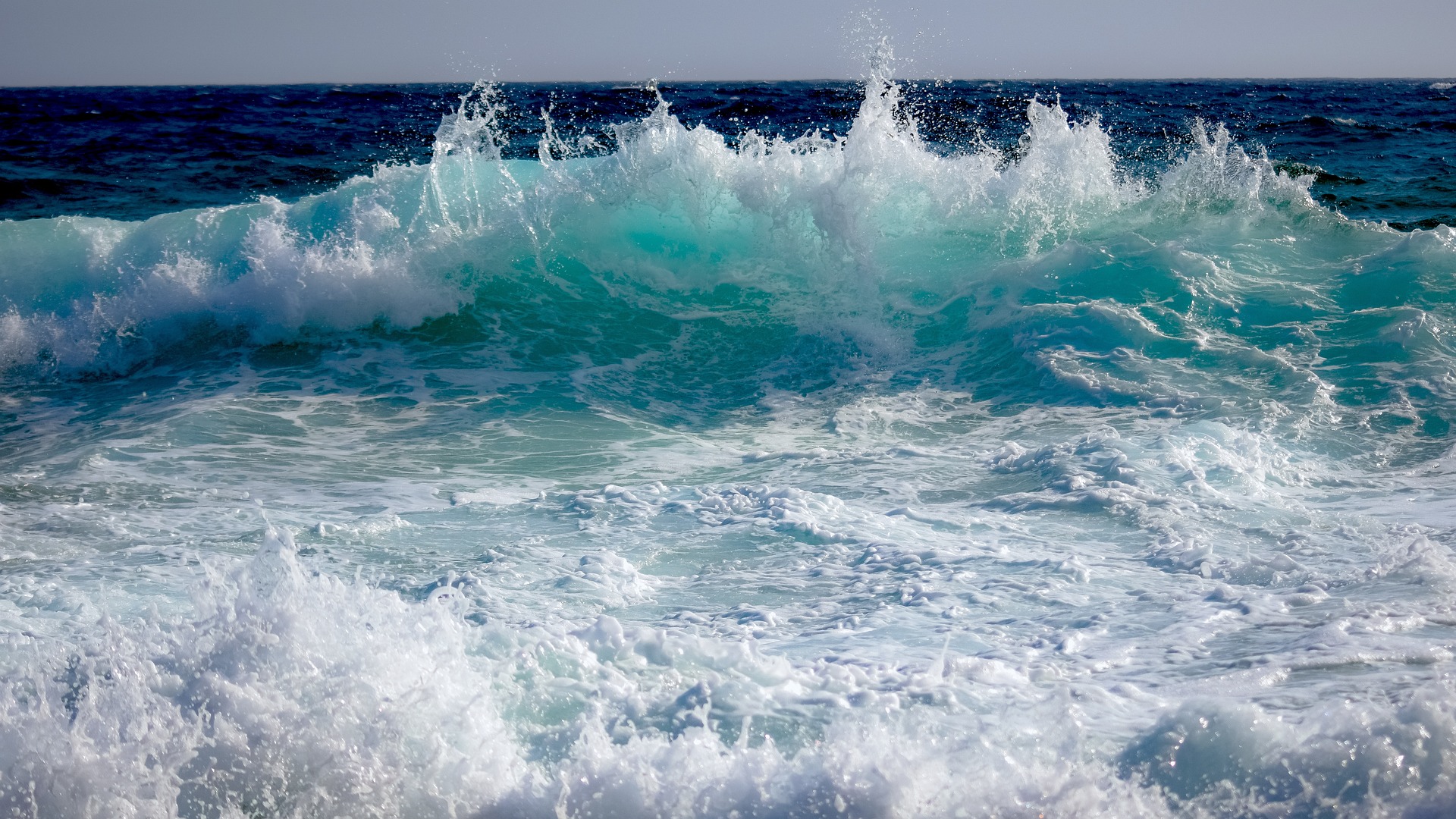
They’ve been calling it grief, or pain, or just estrangement - using one word as a container for something that has nine distinct components inside it, all pressing together into what I’ve come to call one undifferentiated wave of awful. And here is the problem with a pain you can’t see the parts of: you can’t work with it. You can only endure it.
This is the case I want to make for naming your layers. Not as a therapeutic exercise for its own sake. Not because talking about pain makes it smaller. But because named pain is workable pain, and workable pain is something you can actually do something about.
The wave has parts. Here’s what’s in it.
Grief is in there but not the grief the culture has built rituals for. There is no ceremony for the loss of a living child, no bereavement leave, no casserole at the door. This is grief that has nowhere to land socially, which means it tends to seep into everything privately. It is real grief. Neurologically, physiologically, emotionally real. It just doesn’t come with a container anyone around you recognizes.
Identity fracture is in there. For many women - particularly those who came of age in generations where motherhood was the organizing principle of selfhood - estrangement doesn’t just wound the relationship. It destabilizes the self. Who you are, at the most basic level, has been organized around being her mother. When that relationship ruptures, the self requires reconstruction in ways that go beyond the relational wound.
Shame is in there, and it is usually the quietest and most destructive layer. Shame doesn’t announce itself. It operates as a low hum beneath everything else. What kind of mother loses her child? What are people thinking? What does this say about me? It is important to distinguish shame from guilt here. Guilt is specific and actionable. It points toward something that can be examined and potentially repaired. Shame is existential. It says not I did something wrong but I am something wrong. And in a culture that still assigns family failure primarily to mothers, estranged women absorb an enormous amount of cultural shame alongside their own.
Anger is in there - righteous, real, and chronically mislabeled as bitterness. You are allowed to be angry. Anger is not the opposite of healing. It is often the most honest signal in the room, pointing directly at what broke, what the stakes were, what mattered to you. The problem is not the anger. The problem is anger that lives unnamed inside the wave, leaking out sideways rather than moving through.
Ambiguous loss is in there - Dr. Pauline Boss’s term for the particular grief of losing someone who is still present in the world but absent from your life. No closure. No ceremony. No clean chapter ending. Just the ongoing fact of absence, with the door never fully closed. You are not broken because you can’t get over it. You are accurately responding to a situation that has not, in fact, resolved.
Relational trauma is in there. The small-t traumas, the accumulated relational injuries, the patterns that developed over decades. Estrangement doesn’t create this layer. It excavates it, brings it to the surface. Looking honestly at the relational history - including your own participation in it - is not about blame. It is the deepest and most productive work available to estranged mothers, and the women who do it heal most completely, regardless of whether reconciliation ultimately happens.
Fear is in there, and its particular damage is what it does to time. Fear colonizes the future. Is this permanent, will I die before we reconcile, will I ever meet my grandchildren. It makes a verdict out of an open question and then treats that verdict as certain. Named fear can be examined and sometimes heard as legitimate information. Un-named fear just saturates everything.
Unexamined hope is in there and I call hope the cruelest layer, not because it is wrong, but because it holds you in suspension. Not fully grieving, not fully healing, not fully living your present life because part of you is perpetually managing for the reunion that might come. The work is not to extinguish hope but to make it conscious - to hold it alongside your present life rather than instead of it.
And unseen grief is in there. The disenfranchised grief of carrying a loss the world will not formally witness. The exhaustion of having to explain yourself, justify your pain, translate your experience for people who don’t have a framework for it. Having your loss minimized or treated as a problem to be solved rather than a grief to be honored. This is a real and documented wound, and it compounds every other layer.
What naming actually does.
It doesn’t make the wave smaller. I want to be honest about that. Naming your layers is not a shortcut to feeling better. It gives you traction.
Shame needs different work than grief. Fear needs different work than anger. When everything is compressed into one word, one feeling, one undifferentiated mass, you have no handles. You cannot ask for the right kind of support because you cannot name the specific thing you need. You cannot track progress because there is no defined problem. You cannot use the tools you have because you cannot see what you are trying to address.
When you can say, "Today, what I’m actually feeling is fear," you know where to focus your attention. That is not wallowing. That is not living inside the problem. That is the beginning of working with it. And there is a meaningful difference.
The wave is not one thing. It never was. And knowing that - really knowing it, layer by layer - is one of the most powerful things you can do for your own healing.